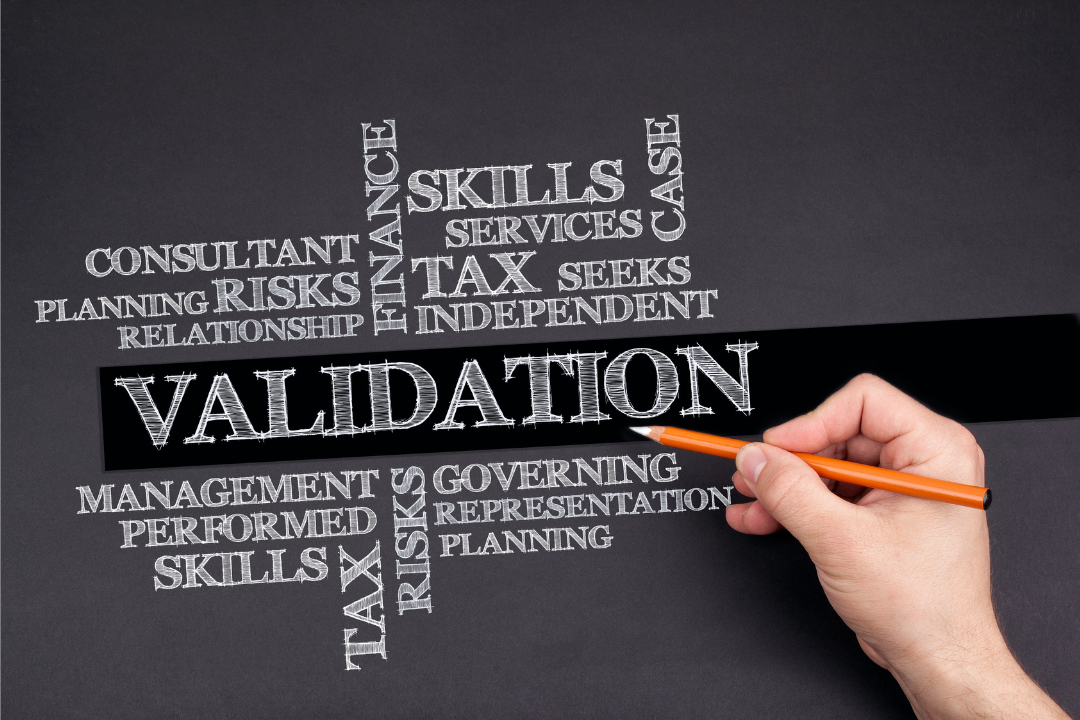
Chapter 5: Validation, Not Risk
Why the smartest step wasn’t committing—it was confirming
Angela had spent years making decisions that required courage.
Hiring before revenue felt certain. Taking on new clients without knowing if staffing would hold. Signing leases, selecting vendors, approving software contracts—all with incomplete information.
Risk had always been part of leadership.
So when she agreed to move forward with a workforce cost review, she was surprised by how little it felt like a gamble.
There was no leap of faith.
No binding agreement.
No pressure to act.
That alone made her pause.
A Process Built to Reduce Uncertainty
The review didn’t begin with recommendations.
It began with questions.
Not about growth plans or future hires—but about what already existed.
Payroll reports. Employer-side obligations. The way certain programs were structured, and why they had been set up that way in the first place.
Nothing was changed.
Nothing was touched.
The goal, she was told, wasn’t to fix anything.
It was to confirm.
To confirm that what she was paying still aligned with the size, structure, and reality of her agency today—not the version of the business she had years ago.
For the first time, Angela noticed how rarely business decisions were framed this way.
Most advice pushed action.
This process pushed understanding.
Angela began to understand that a workforce cost validation process could exist without obligation, disruption, or pressure to change.
The Difference Between Risk and Review
Angela had always equated movement with risk.
Changing systems meant disruption. Asking questions meant uncovering problems. Looking too closely felt like inviting bad news.
But as the review progressed, something unexpected happened.
The fear she had carried for years—the fear of discovering something wrong—began to loosen its grip.
Because validation wasn’t about judgment.
It wasn’t about blame.
It was about clarity.
If everything checked out, she would gain confidence.
If something didn’t, she would gain options.
Either way, she would gain control.
Information Without Obligation
What struck Angela most was how little was being asked of her.
The findings, when they came, would simply be presented.
She could:
Accept them
Set them aside
Revisit them later
The choice would remain hers.
This wasn’t a sales process disguised as analysis.
It was an analysis that respected her role as the decision-maker.
And that respect mattered.
A New Standard for Decisions
Angela began to wonder how many decisions she had made over the years without this level of confirmation.
How many contracts had been renewed because they were familiar.
How many costs had been accepted because questioning them felt risky.
The review wasn’t finished yet.
But something fundamental had already shifted.
Angela no longer believed that the safest path was to avoid looking.
She began to see that the greater risk had always been operating without clarity.
Reflection
Validation didn’t demand courage.
Avoidance did.
For years, Angela had mistaken motion for progress—and caution for safety.
Now she understood something different.
The strongest leaders didn’t take fewer risks.
They took better ones—after confirming what was actually true.
Next on Angela’s Journey…
In the next chapter, the review concludes—and Angela sees, for the first time, the money she never realized she was losing.
The numbers surface next.
A safer place to start
Angela didn’t move forward by taking a risk.
She moved forward by confirming what was already true.
For many employers, validation—not commitment—is the smartest first step.
